Scroll sideways for more
| Water | Fish the agency or state lists | Ned rig legal? | Bass size rule (CPW Chapter W-1) | Open in winter? | Source |
|---|---|---|---|---|---|
| Chatfield Reservoir, Littleton | Walleye, bass, perch, crappie, catfish and an occasional trout (CPW, summer catches) | Yes. Bait is also legal | Largemouth and smallmouth bass 15 inches minimum | Park open daily 5 a.m. to 10 p.m. CPW: "Ice-fishing is available during the winter months. Please use caution when ice fishing." | CPW Chatfield State Park page; Chapter W-1 #78 |
| Cherry Creek Reservoir, Aurora | Walleye (CPW says state record walleye have been caught here); CPW points to its Fishing Atlas for the full list | Yes. Bait is also legal | Largemouth and smallmouth bass 15 inches minimum | Closed for the season to all boating, paddlecraft included. CPW: "Ice fishing is allowed when conditions permit. Please use caution when ice fishing." Park hours not on the page read | CPW Cherry Creek State Park page; Chapter W-1 #80 |
| Aurora Reservoir, Aurora | Trout, walleye, largemouth and smallmouth bass, wiper, crappie, catfish, yellow perch (city bag-limit list) | Yes. The city says all types of bait can be used | Largemouth and smallmouth bass 15 inches minimum | Yes. Open year round except Thanksgiving, Christmas and New Year's Day. December 7 a.m. to 5:30 p.m., January 7 a.m. to 6 p.m. | City of Aurora fishing and park hours pages; Chapter W-1 #19 |
| Quincy Reservoir, Aurora | Trout, largemouth and smallmouth bass, yellow perch, crappie (city bag-limit list) | Yes. Artificial flies and lures only. The city bans bait of any kind, even in your bag. W-1 allows scented lures 1.5 inches or longer, but the city page does not say whether it treats them as bait: use unscented | Largemouth and smallmouth bass 18 inches minimum | No. Open March 1 to October 31 | City of Aurora Quincy fishing and hours pages; Chapter W-1 #333 |
| Valente Open Space North Lake, Adams County | UNKNOWN: the county page lists 3 fishing lakes and docks but no species | Yes. Artificial flies and lures only, every fish released. Scented lures allowed if 1.5 inches or longer | No size rule: all fish go back | UNKNOWN: no winter hours or ice rule on the county page read | Adams County Valente page; Chapter W-1 #135 |
| Spring Gulch Pond, Highlands Ranch | Largemouth bass, channel catfish, black crappie, bluegill, green sunfish (district) | Yes, if unscented. Artificial flies and lures only, catch and release only. W-1 gives this pond no scented-lure allowance | No size rule: all fish go back | Hours UNKNOWN. The district says ice fishing is prohibited at its ponds | Highlands Ranch fishing ponds page; Chapter W-1 #405 |
| Stearns Lake, Carolyn Holmberg Preserve (Boulder County) | Bluegill, channel catfish, tiger muskie, largemouth bass (county) | Yes. The county says artificial and live bait are permitted | Largemouth and smallmouth bass 15 inches minimum; the county lists "limit 5 over 15" | Parks open sunrise to sunset. "Ice fishing is not permitted at any open space property." | Boulder County fishing page; Chapter W-1 #412 |
| Waneka Lake, Lafayette | UNKNOWN today: the city page would not load. W-1 sets a bass rule | Yes. W-1 sets no bait or lure rule here | Largemouth and smallmouth bass 15 inches minimum | UNKNOWN today | Chapter W-1 #459 |
| Ketner Lake, Westminster | UNKNOWN: the city says CPW stocks it but lists no species. W-1 sets a bass rule | Yes. W-1 sets no bait or lure rule here | Largemouth and smallmouth bass 15 inches minimum | UNKNOWN: the city pages read give no hours or ice rule | City of Westminster Ketner FAQ and facility page; Chapter W-1 #226 |
| Lake Arbor, Arvada | UNKNOWN: the city page could not be found today. W-1 sets bass, walleye and saugeye rules | Yes. W-1 sets no bait or lure rule here | Largemouth and smallmouth bass 15 inches minimum (walleye and saugeye 15 inches too, one over 21 inches a day) | UNKNOWN today | Chapter W-1 #231 |
The short answer
A Ned rig is a short floating stick bait, about 2.75 to 3 inches long, on a light mushroom-head jig with the hook point showing. Cast it, let it sink to the bottom, then drag it slowly or hop it and let it sit, and set the hook by reeling tight. It is an artificial lure, and none of the 10 waters in the table bans lures, so it is legal at all of them, including the flies-and-lures-only lakes (Quincy Reservoir, Valente's North Lake and Spring Gulch Pond), as long as you add no bait. Use an unscented soft plastic at Spring Gulch Pond, and at Quincy Reservoir, where the city bans bait of any kind.
What a Ned rig is
The Ned rig is a small jig head and soft plastic. The company that makes the original bait says it was conceived and brought to mainstream attention by Ned Kehde, and calls it the Midwest finesse style of fishing.
Field and Stream describes it at its simplest as a 2- to 3-inch soft-plastic stick bait threaded on a flat or mushroom jig head, with an exposed hook, designed to be dragged along the bottom while standing upright.
The original bait is a 2.75-inch stick worm made of a floating material. Its maker says the material lets it stand up off the bottom at rest, and says the rig's slow fall and darting action draw strikes even in tough conditions.
The sources read for this page are written mostly for bass. Outdoor Life adds that you can also catch panfish, muskie, pike and walleye on it.
How to rig it, step by step
- Step 1. Pick a mushroom jig head with a size 1 or 2 hook; start at 1/16 ounce. Take Me Fishing uses a 1/16-ounce head with a size 1 or 2 hook. In-Fisherman's original articles used 1/32 ounce in 1 to 4 feet of water, 1/16 ounce in 2 to 12 feet (about 60 percent of the time), and 3/32 ounce in 8 feet or more, and moved up from 1/32 to 1/16 ounce in wind or water deeper than 6 feet. Outdoor Life says anglers typically use 1/8 to 1/4 ounce, picked by depth and how fast you want it to fall. The original maker's Ned heads run 1/20 to 1/5 ounce.
- Step 2. Pick a 2.75- to 3-inch stick bait. On Spring Gulch Pond, use one that is not scented (see the bait rule below).
- Step 3. Lay the 2.75- to 3-inch bait next to the hook, with its nose touching the jig head. Note the spot on the bait where the hook bend sits. That is where the point will come out: about 1 inch from the nose, or about one-third of the way down a 3-inch bait.
- Step 4. Push the hook point into the center of the nose. Thread the bait about 1 inch (one-third of a 3-inch bait) down the hook, keeping the point inside the bait.
- Step 5. Push the point out the side of the bait at the spot you marked, about 1 inch from the nose. The hook bend and point stay outside the bait. Do not bury the point.
- Step 6. Slide the nose of the bait up onto the keeper on the hook shank behind the jig head until it sits flush against the head, with no gap (0 inches).
- Step 7. Check that the bait is straight and in line with the hook shank, with the bend and point showing and the point clear of the bait (not buried). Re-rig it if it is crooked.
- Step 8. Tie the jig to the end of your leader (6 feet of 8-pound fluorocarbon per Take Me Fishing; see Line, rod and reel below). Outdoor Life uses a Palomar knot; see our knots guide.
Line, rod and reel
Field and Stream calls the Ned rig a finesse tactic that works best with spinning gear.
- Rod: Take Me Fishing suggests a 6 1/2-foot light to medium-power spinning rod with fast action. In-Fisherman's editor suggests a medium-light-power, medium-fast or fast-action 7-foot rod.
- Reel: Take Me Fishing suggests a 1000-series spinning reel built for fine line (8- to 10-pound braid).
- Line: braided main line with a fluorocarbon leader. Take Me Fishing uses 6 feet of 8-pound fluorocarbon leader. Field and Stream says a leader of 6 to 10 feet. In-Fisherman's 2014 retrieves article uses 10-pound braid, which has the diameter of 4-pound monofilament, with a 5-foot, 8-pound fluorocarbon leader.
- Drag: set it light. Take Me Fishing says to make sure the drag is set light enough. Outdoor Life says patience and a light drag are key.
The retrieve: drag, hop and pause
In-Fisherman's original Midwest finesse articles describe several retrieves. Three of them follow, after the first step of every cast.
- Let it sink first. Cast and count the jig down to the bottom. In-Fisherman's example: a jig that sinks about 1 foot per second takes about 4 seconds to reach the bottom in 5 feet of water.
- Drag and shake. Hold the rod anywhere from 1 o'clock to 5 o'clock, and down at 4 to 5 o'clock when it is windy. Turn the reel handle slowly so the jig crawls along the bottom, and shake the rod tip gently so the jig does not jump off the bottom. In-Fisherman's 2011 update says that over its writers' last five outings, November 28 through December 1, this retrieve caught 83 percent of their 189 bass.
- Hop and pause. Hold the rod at about 5 o'clock. Turn the reel handle twice at a moderate pace to lift the jig, then stop and let it fall back to the bottom. Shake the rod a little as it falls.
- Deadstick. Hold the rod at 3 to 4 o'clock and drag the jig slowly. Every so often, pull a few feet of slack off the reel so the jig lies dead still on the bottom for 5 seconds, then shake and drag again. In-Fisherman calls this its deepest retrieve, for 12 feet of water or deeper.
Field and Stream's short version: throw it out, then drag it slowly across the bottom with the rod tip up at about 2 o'clock.
Cold-water pace in winter
Take Me Fishing says the Ned rig can be one of the best rigs for fall and winter, when largemouth bass get lethargic. Field and Stream says it is at its best in winter and early spring, in deep, cold, clear water, when bass often hang close to a hard bottom and are reluctant to hit more aggressive lures. It names rocky points, humps and bluffs.
In-Fisherman's 2011 update says it is not unusual for its writers to catch largemouth bass in 2 to 8 feet of water when the surface temperature is 38 and 39 degrees, and that the drag and shake caught 83 percent of their bass over five late-November and early-December outings.
- Slow down: drag and shake, or drag and deadstick for 5 seconds, rather than long hops.
- Stay on the bottom: In-Fisherman shakes the rod delicately so the jig does not jump off the bottom.
- Plan on shore fishing: Cherry Creek is closed for the season to all boating, and Quincy Reservoir is closed until March 1.
- Ice: this page does not cover fishing a Ned rig through the ice. Each agency's own ice rule is quoted in the table. Spring Gulch Pond and Boulder County open space ban ice fishing.
How to tell a bite and set the hook
- The bite is small. Field and Stream says a bass often just sucks the lure in. Outdoor Life says you may feel only a subtle tick, then see your line start to move.
- Watch your line. If it starts to move, a fish has the bait.
- Feel for the bottom. Field and Stream says that if you are dragging the bait and stop feeling the bottom, you likely have a bite.
- Set the hook by reeling. Field and Stream says a reel set is most effective with the exposed hook: reel while pulling back on the rod as it loads up. Do not drop the rod and snap it, as you would with a jig. Take Me Fishing: reel tight and lean into the fish.
- Let the light drag work. Field and Stream suggests loosening the drag as a big bass gets close.
Should you add a worm or live bait?
No. The soft bait is the whole lure. Adding a worm, a piece of nightcrawler or any other bait makes it a bait rig.
Colorado's rules define artificial flies and lures as non-edible, non-scented devices, and say the term does not include anything defined as bait. Bait includes worms, grubs, crickets, leeches, insects, crayfish, fish parts and fish eggs, plus any device that has scent added, at the factory or afterward (2 CCR 406-1, #100).
- Flies-and-lures-only water: a Ned rig with a worm on it is illegal there. That includes Quincy Reservoir (where the city also bans having bait of any kind with you), Valente's North Lake and Spring Gulch Pond.
- Scented baits: many soft plastics are sold scented. Under the state definition, a scented bait is bait. Chapter W-1 lets Quincy Reservoir and Valente's North Lake use scented lures 1.5 inches or longer, so a 2.75-inch scented stick bait meets the state rule at both. Aurora still bans bait of any kind at Quincy, even in your bag, and its page does not say whether it counts scented plastics as bait, so bring unscented baits there. Spring Gulch Pond has no scented-lure allowance: bring an unscented bait.
- Bait-legal water such as Chatfield, Cherry Creek, Aurora Reservoir or Stearns Lake: you may fish bait, but then you are fishing a bait rig, not a Ned rig. See our bobber-and-bait rig guide.
Keeping bass
The statewide limit is 5 largemouth, smallmouth and spotted bass combined (2 CCR 406-1, #107). Several lakes in the table add a minimum size: 15 inches at Chatfield, Cherry Creek, Aurora Reservoir, Stearns, Waneka, Ketner and Lake Arbor, and 18 inches at Quincy. Every fish goes back at Valente's North Lake and Spring Gulch Pond. Carry a tape and measure before you keep a bass.
Where this comes from
Every rule and fact on this page was read on November 29, 2026.
- Colorado Secretary of State: 2 CCR 406-1, Chapter W-1 Fishing, the version effective April 1, 2026 (definitions #100, bait #103, statewide limits #107).
- Colorado Parks and Wildlife: Chapter W-1 as approved November 13, 2025 (special water rules #19, #78, #80, #135, #226, #231, #333, #405, #412, #459); Chatfield State Park and Cherry Creek State Park highlights pages.
- City of Aurora: reservoir fishing page, Aurora Reservoir hours page, Quincy Reservoir fishing and hours pages.
- Adams County: Elaine T. Valente Open Space page. Highlands Ranch Metro District: fishing ponds page. Boulder County: open space fishing page. City of Westminster: Ketner Lake FAQ and facility page.
- Technique: Z-Man's Ned rig page, Finesse ShroomZ jig head page and Finesse TRD page; In-Fisherman, "Six Midwest Finesse Retrieves" (Ned Kehde, March 5, 2014), "Midwest finesse retrieves: an update" (Ned Kehde, December 4, 2011) and "Inside Angles: The Nuanced Ned" (May 21, 2025); Field and Stream, "Ned Rig Fishing for Bass" (April 22, 2026); Outdoor Life, Ned rig guide (May 15, 2026); Take Me Fishing, "How to Set Up a Fishing Rig for Bass: The Ned Rig" (January 14, 2019).
Not confirmed today: species, winter hours and ice rules for Waneka Lake, Ketner Lake, Lake Arbor and Valente Open Space, and park hours at Cherry Creek. Check with the agency before you go.
Questions anglers ask
- What is a Ned rig?
- A short soft-plastic stick bait, about 2.75 to 3 inches, threaded on a light mushroom-head jig with the hook point exposed. The bait floats, so it stands up off the bottom while the jig head sits on it.
- What weight jig head for a Ned rig?
- Start with 1/16 ounce. In-Fisherman's original articles used 1/32 ounce in 1 to 4 feet of water, 1/16 ounce in 2 to 12 feet and 3/32 ounce in 8 feet or more. Outdoor Life says anglers typically use 1/8 to 1/4 ounce, picked by depth and fall rate.
- How far do you thread a Ned rig bait?
- Push the point into the center of the nose and thread about 1 inch, about a third of a 3-inch bait, then bring the point out the side so the hook bend and point are exposed. Slide the bait up flush against the jig head.
- How do you fish a Ned rig in cold water?
- Slowly, on the bottom. Drag it with small shakes, or drag it and let it sit dead still for 5 seconds. In-Fisherman's writers say it is not unusual for them to catch largemouth in 2 to 8 feet of water at 38 and 39 degrees.
- How do you set the hook on a Ned rig?
- Reel tight and pull back as the rod loads, a reel set; Field and Stream says it is most effective with the exposed hook. Do not drop the rod and snap it. Keep the drag light.
- Can I put a worm on a Ned rig?
- Not if you want it to stay a lure. Adding a worm makes it a bait rig, which is illegal on flies-and-lures-only water such as Quincy Reservoir, Valente's North Lake and Spring Gulch Pond. Under Colorado's rules, a scented soft plastic also counts as bait. Chapter W-1 allows scented lures 1.5 inches or longer at Quincy Reservoir and Valente's North Lake, but Aurora bans bait of any kind at Quincy, so use unscented there.
- Is a Ned rig legal on flies-and-lures-only lakes near Denver?
- Yes. It is an artificial lure. At Spring Gulch Pond use an unscented bait. At Valente's North Lake, scented lures 1.5 inches or longer are also allowed. Chapter W-1 allows them at Quincy Reservoir too, but Aurora bans bait of any kind there, so use unscented.
- Where can I fish a Ned rig near Denver in winter?
- Aurora Reservoir is open year round except Thanksgiving, Christmas and New Year's Day. Chatfield State Park is open daily 5 a.m. to 10 p.m. Cherry Creek is closed to all boating for the season. Quincy Reservoir is closed until March 1.
Find today's best water near Denver
Read next
Fishing Valente Lake (Adams County, near Thornton)
Fishing Valente Lake in Adams County near Thornton: three ponds, docks, the South Platte Trail, cold-water panfish and bass rigs, and dog-friendly access.
6 min read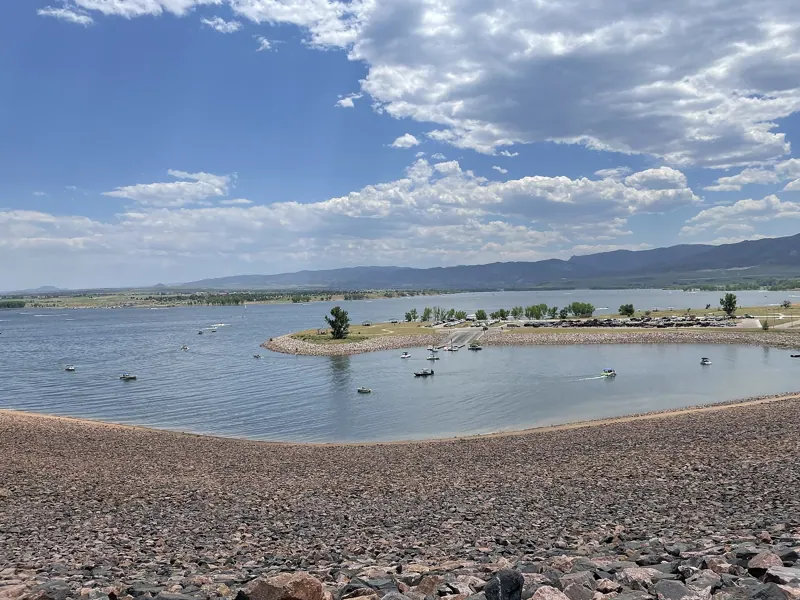
Fishing Chatfield Reservoir
Fishing Chatfield State Park near Littleton: what you can catch, where to fish from shore, what the park says about ice, park and dog passes, and boat rules.
8 min readPhoto: Dough4872, CC BY-SA 4.0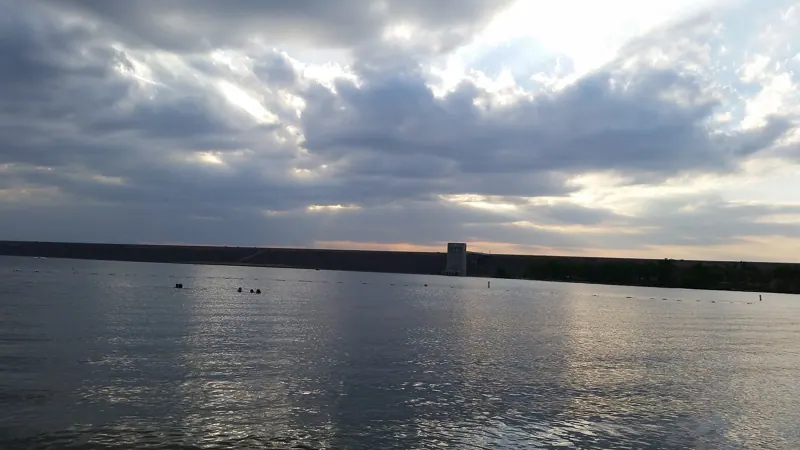
Fishing Cherry Creek Reservoir
Fishing Cherry Creek State Park in Aurora: walleye, trout, wipers and bass, the best shore spots, ice fishing, park passes and rules.
5 min readPhoto: Wikigringo, Public domain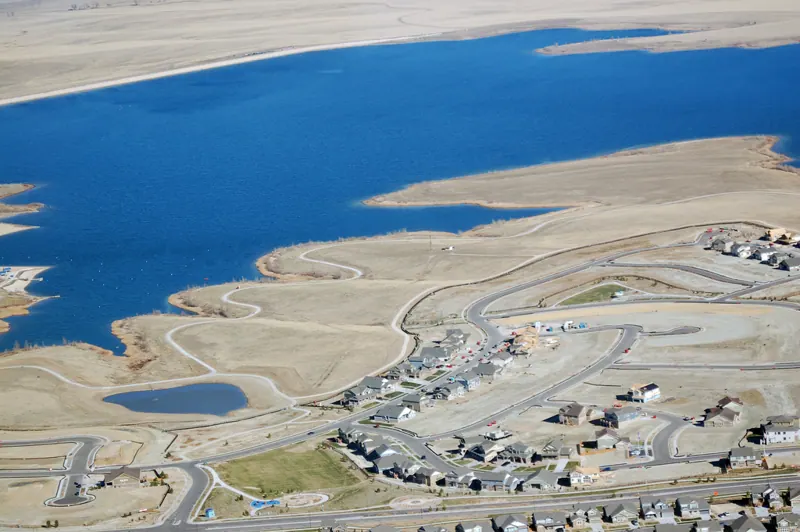
Fishing Aurora Reservoir
Fishing Aurora Reservoir in southeast Aurora: trout from shore in the cold months, walleye and wipers, the $10 day pass and self-serve box, bag limits and where to park.
6 min readPhoto: denver_flyer, CC BY 2.0
Fishing Quincy Reservoir
Quincy Reservoir in Aurora is closed for the season; Aurora lists it as open March 1 to Oct. 31 and has not posted a 2027 date. When it's open: flies and lures only, 2 trout, bass 18 inches minimum, hand-launched boats only, and the same pass as Aurora Reservoir.
6 min read
Fishing Stearns Lake
Fishing Stearns Lake at the Carolyn Holmberg Preserve near Broomfield and Louisville: the 36-inch tiger muskie rule, bass, bluegill and catfish limits, where to park, the closed shoreline, and why it is shore-only with no ice fishing.
7 min read
Fishing Spring Gulch Pond (Highlands Ranch)
Fishing Spring Gulch Pond in Highlands Ranch: the state rule that makes it flies and lures only and catch and release, why scented baits do not count, where to park on Carder Court, the floating dock, what lives there and the ice fishing ban.
8 min read
Fishing Waneka Lake (Lafayette)
Waneka Lake is the only place in Lafayette you can fish: bank fishing for stocked rainbow trout and bass (bass under 15 inches go back), 6 a.m. to 10 p.m., park lot at 1600 Caria Dr. with no fee listed. No boats: the rental boathouse is closed and the city expects it back in summer 2027. Stay off the ice.
9 min read
Fishing Lake Arbor (Arvada)
Fishing Lake Arbor in Lake Arbor Park, 6450 Pomona Dr., Arvada: parking off Pomona Dr. and Harlan Ct., park hours, the state's 15-inch bass and walleye rules, the city's worms-only live bait rule, kayaks and small paddle boats, no body contact, no ice skating, and what the city does not publish.
9 min read
Fishing Ketner Lake (Westminster)
Fishing Ketner Lake at 10200 Countryside Drive, Westminster: the state's 15-inch minimum for largemouth and smallmouth bass, the city's ADA-accessible dock with rod holders, CPW stocking per the city's 2023 FAQ, leash and hours rules, no ice information, and what the city does not publish.
9 min read
The Bobber and Bait Rig
The simplest, most effective panfish rig: hook, split shot, bobber and bait, plus depth, bait choice and cold-water tweaks.
3 min read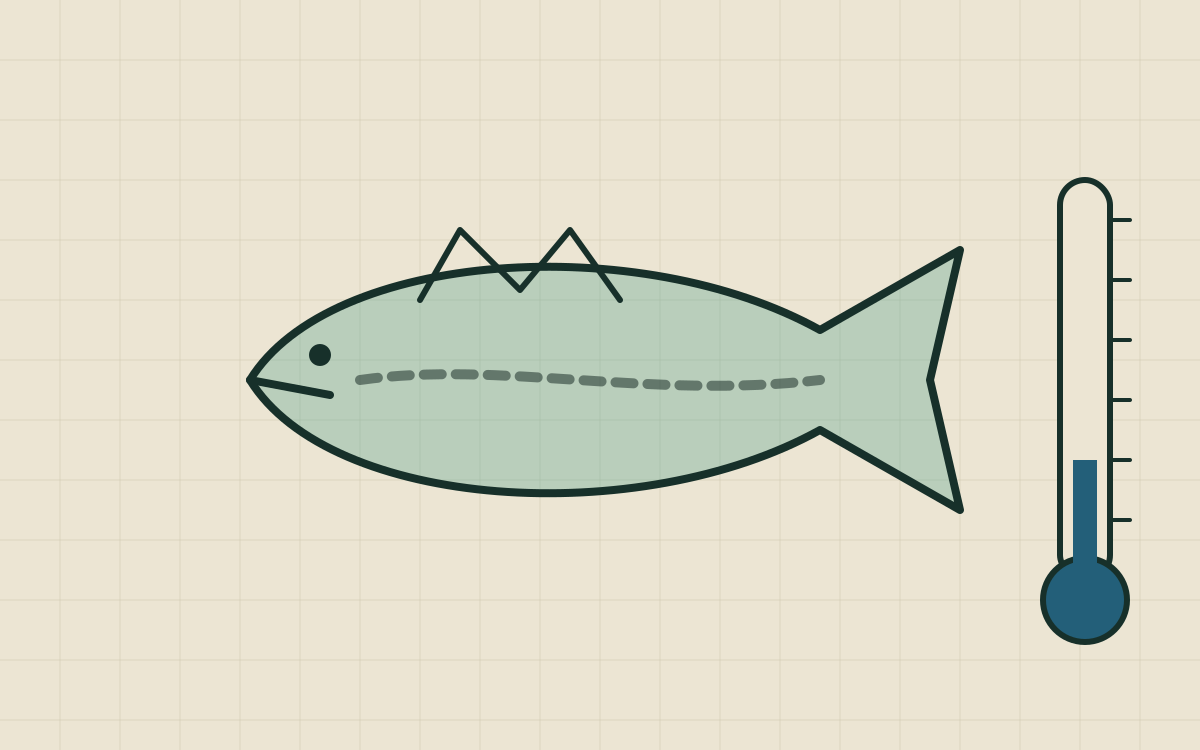
Catching Bass in Cold Water
Cold-water bass fishing made simple: where bass hold, slow bottom presentations, how to detect the bite and set the hook.
3 min read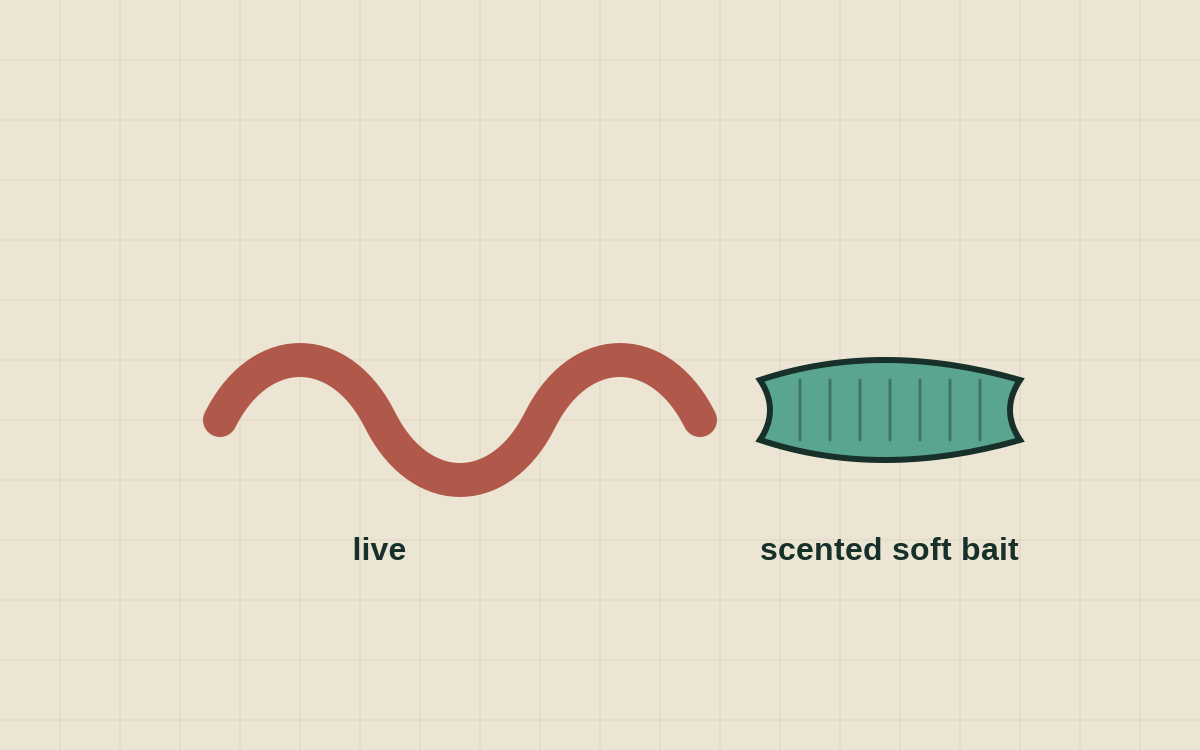
Live Bait vs Gulp
Live bait vs scented artificial bait: when each works, where stores keep live bait and how to keep crawlers alive in the cold.
3 min read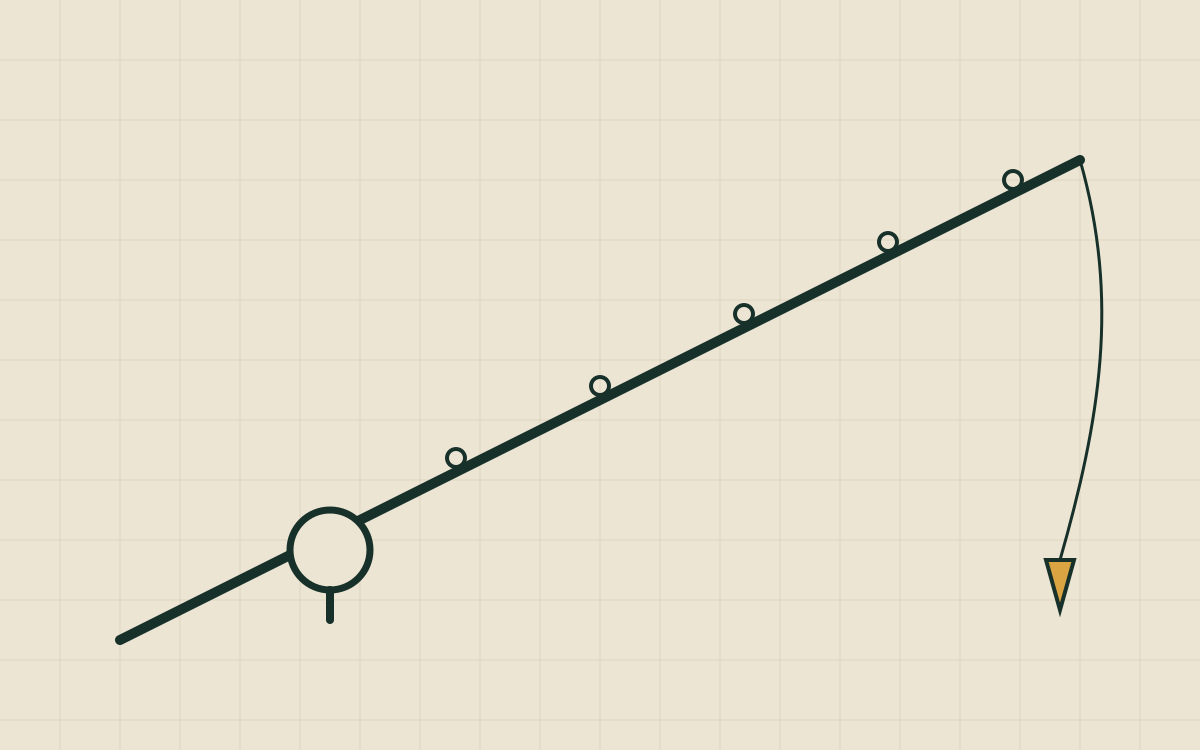
Buying Your First Spinning Setup
How to buy your first spinning setup: spinning vs spincast vs baitcaster, rod length and power, reel size, line, realistic costs and what to avoid.
2 min read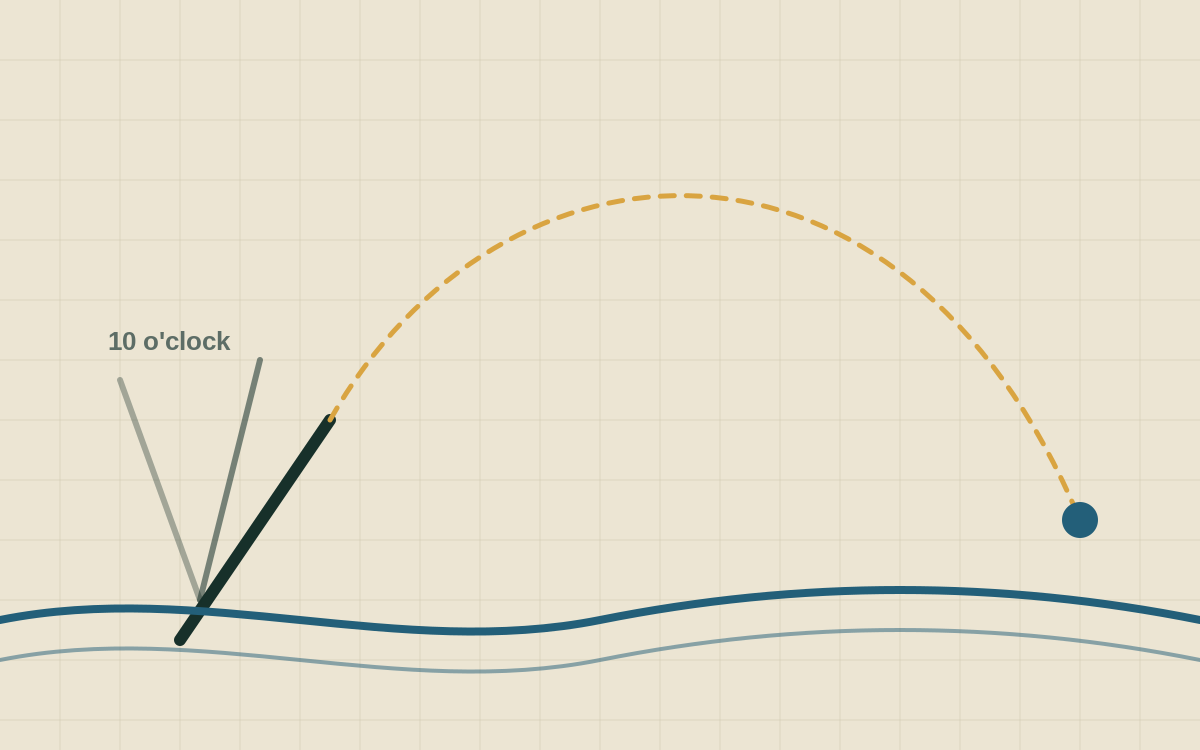
How to Cast a Spinning Rod
Six steps to cast a spinning rod, plus fixes for rigs too light to cast, line that won't release, and casts that slam the water at your feet.
2 min read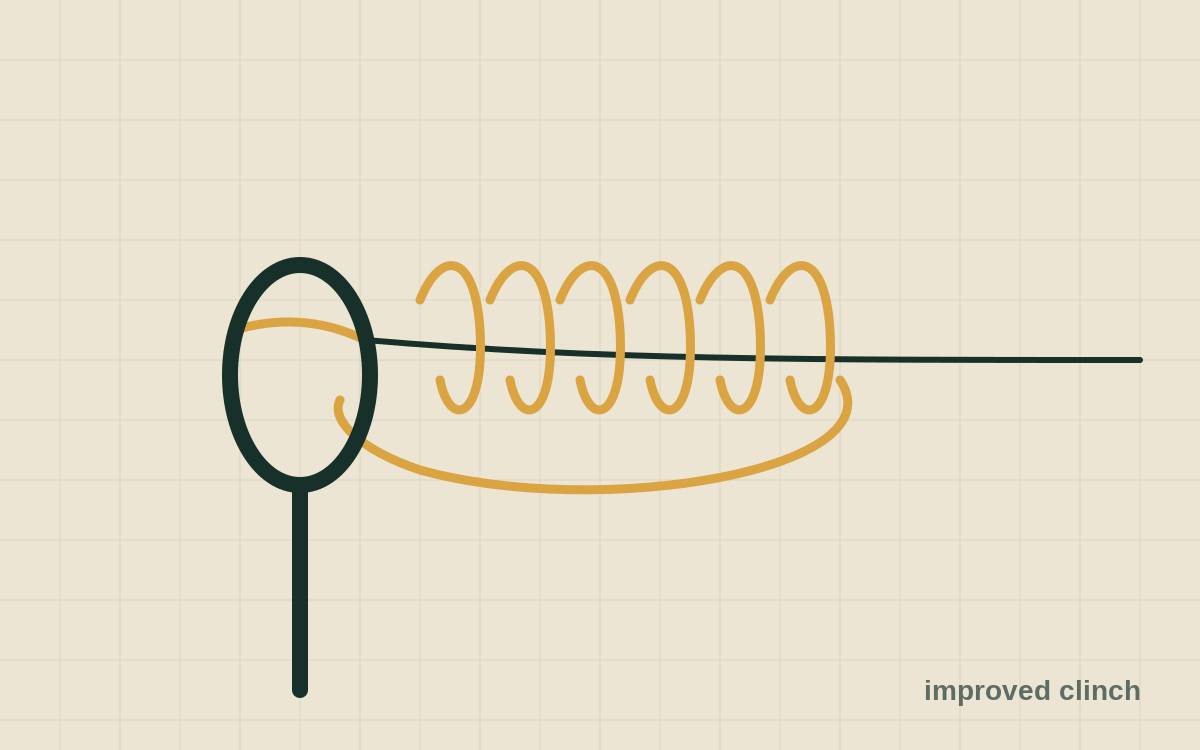
Fishing Knots: Which One, and How to Tie It
How to tie the six fishing knots that cover almost everything: arbor, improved clinch, Palomar, double surgeon's, double uni and non-slip loop, with a drawing for every step.
6 min readWalleye Fishing Near Denver
Where to catch walleye and saugeye near Denver: 11 public reservoirs where the agency that runs them lists walleye or saugeye, each lake's walleye rule from the current state regulations or the managing agency, daily fees, hours, each agency's own ice rule, and how to fish for walleye from shore in cold weather.
18 min read